Building Historian Services
Andrew's core services include:
Andrew provides a range of tailored one-off reports including:
Andrew is happy to discuss requirements for these or other services, including house histories, teaching, walks, tours, and LGBTQ+ heritage events.
Heritage Statements
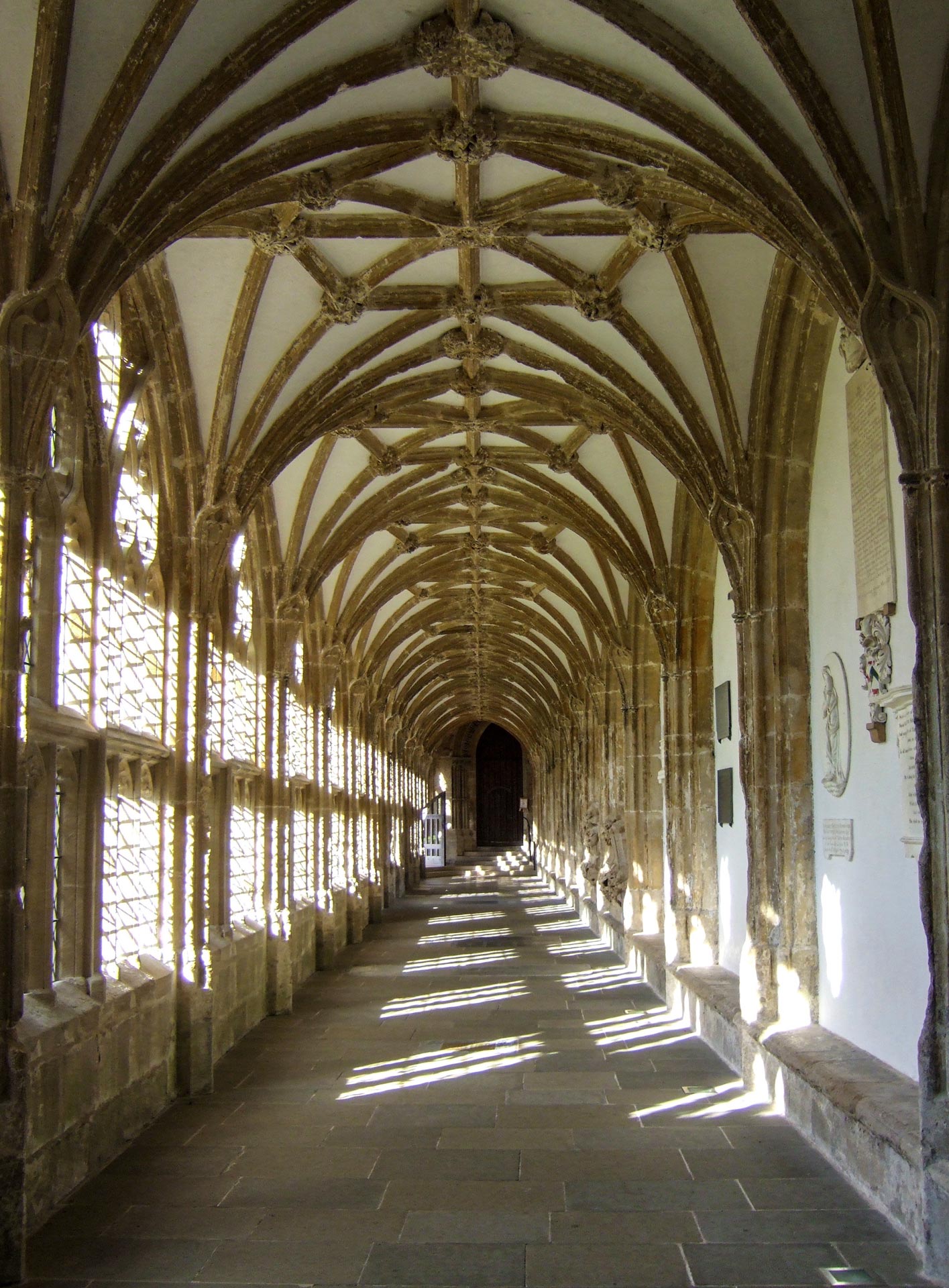
A robust Heritage Statement is the key channel of communication between the client, their architect, local and national conservation and planning bodies and the heritage consultant. Ideally the Heritage Statement should be the first step to inform and guide the process for achieving change to a heritage asset.
In line with national Planning Policy Guidance for the Historic Environment, a Heritage Statement typically covers a building’s evolution and dating, a historical survey of the building and its context, and identifies where its significance lies. Andrew has over two decades experience in identifying heritage significance in the West of England, drawing on his past portfolio and work on the Buildings of England to provide relevant comparative examples.
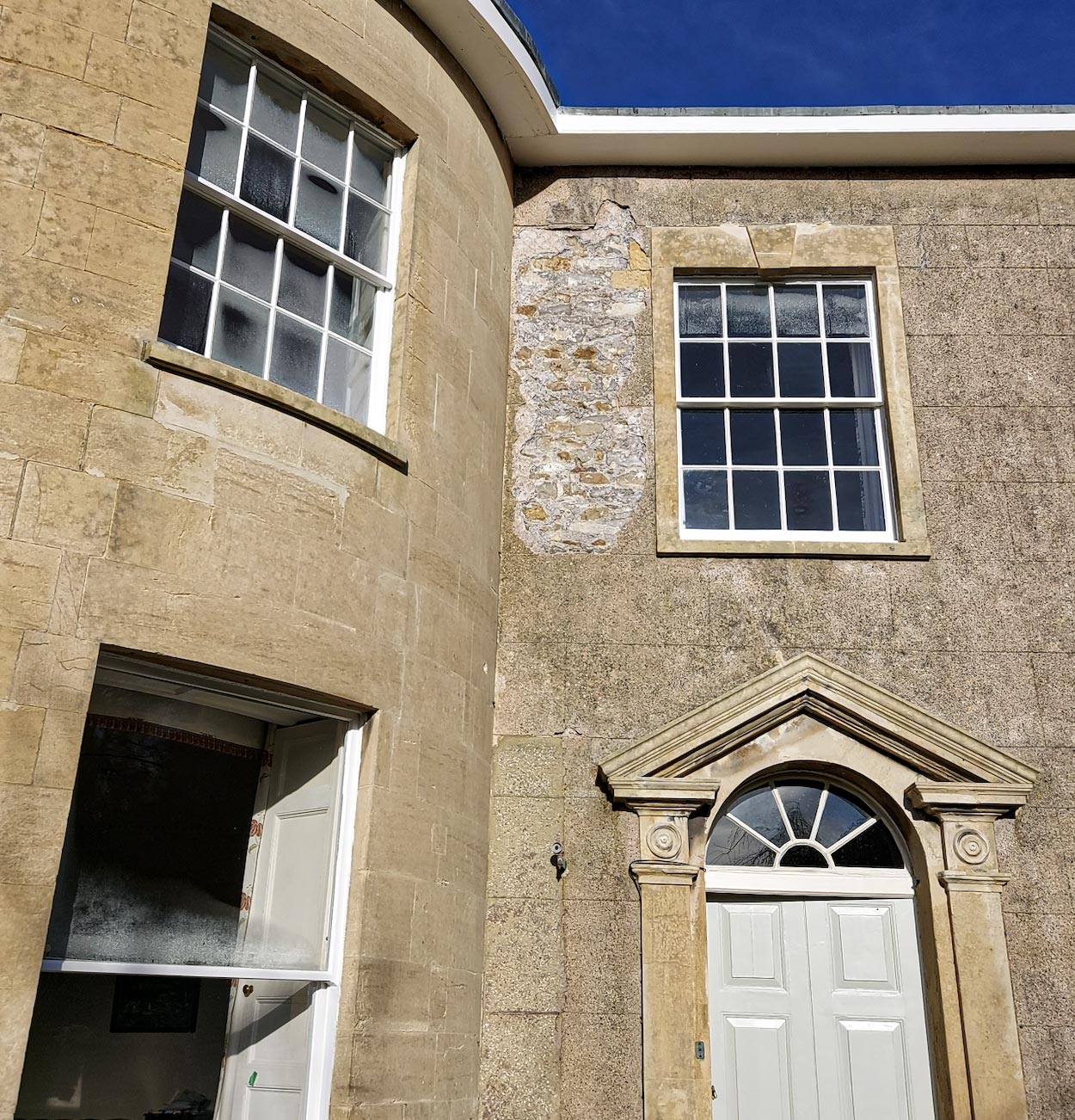
The size and content of the Heritage Statement must be proportionate to the significance of the building and the scale of works proposed. It may cover a whole building, or be limited to one area such as the façade or a single room. Andrew produced a simple report to justify previously refused upgrades to a Regency villa in a couple of days. It outlined the house’s evolution largely through evidential photographs of the fabric, and demonstrated that the proposal primarily impacted later, less sensitive fabric and reversed some clumsy 1960s changes. On re-application Listed Building Consent was quickly granted.
At the other end of the scale, the Heritage Statement for a large redevelopment site in central Bristol took several months to complete, and required further consultancy during the planning process, also resulting in consent for the scheme.
Heritage Impact Assessments
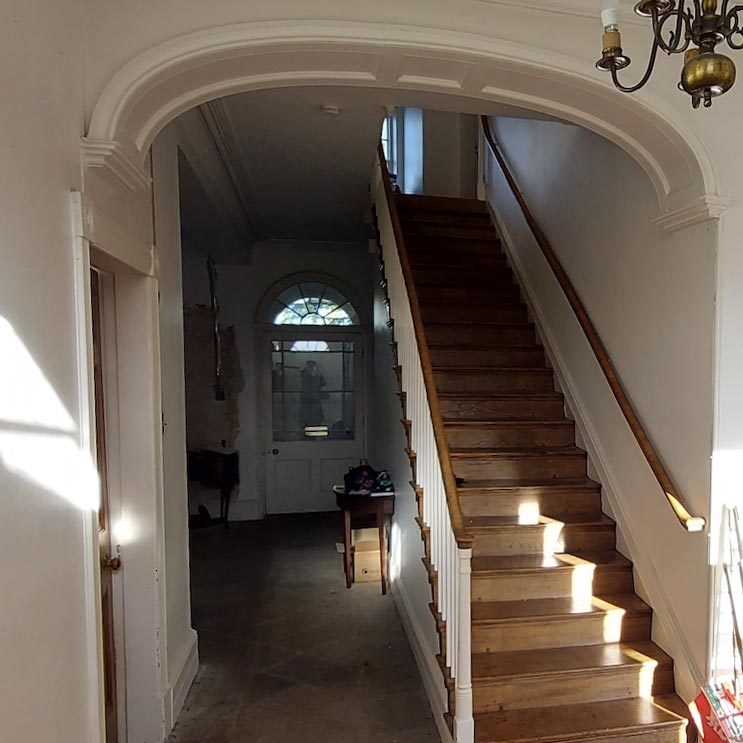
The Heritage Impact Assessment is the second stage in the process of achieving changes to heritage assets. This assesses the impact of the proposed design on the heritage, referring to the previously identified Heritage Significance. Time and cost are dependent of course on the scale and complexity of change, but typically the HIA requires less time than the Heritage Statement. For simple changes, the Heritage Statement and Impact Assessment may be provided in a single physical report.
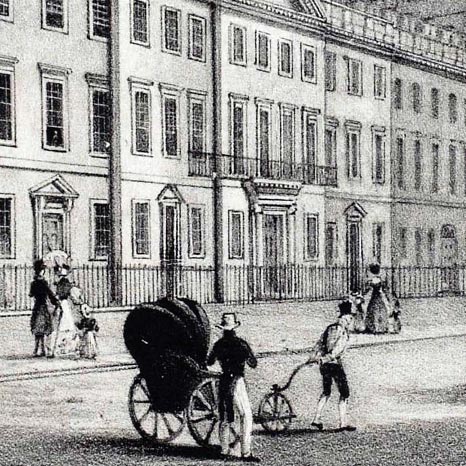
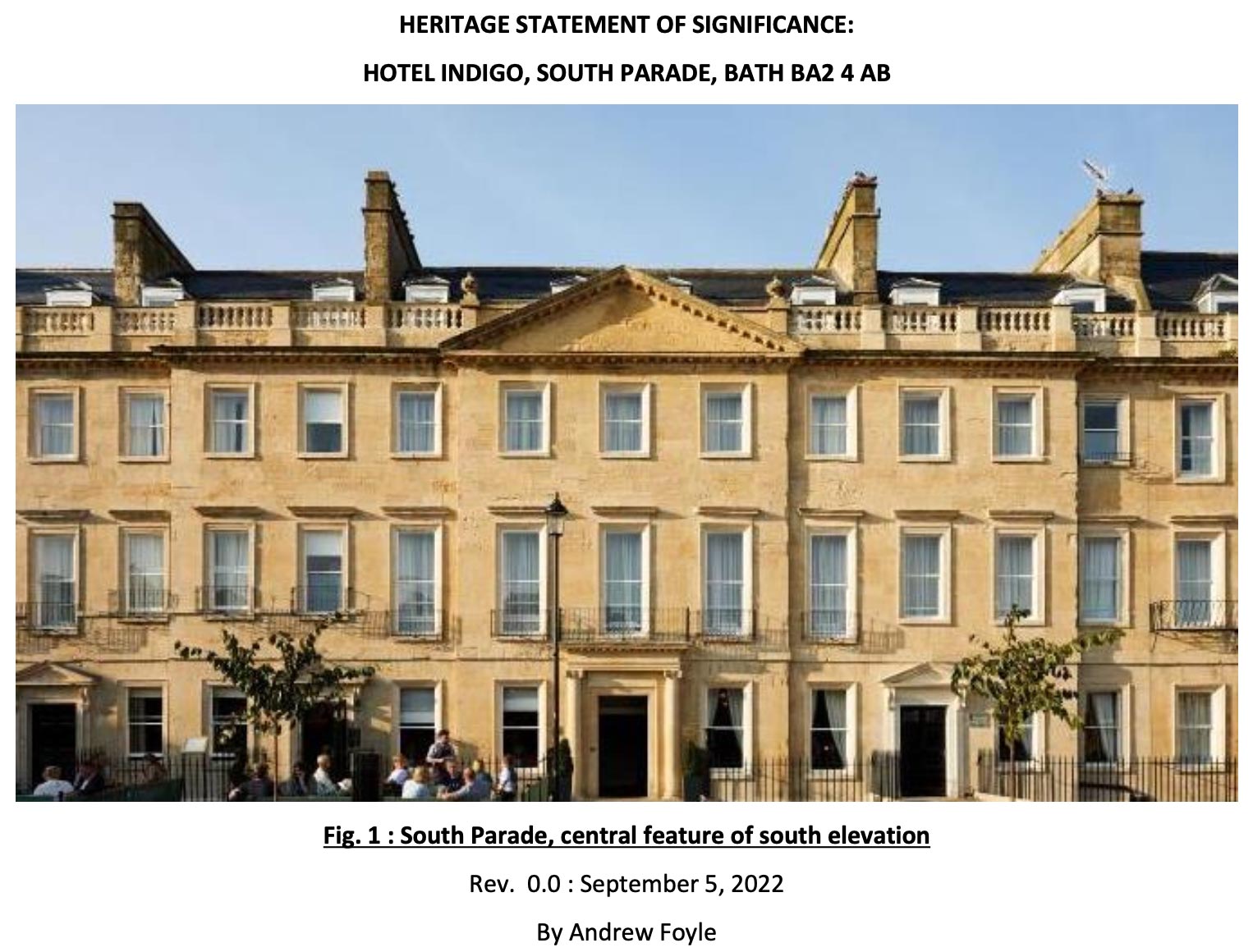
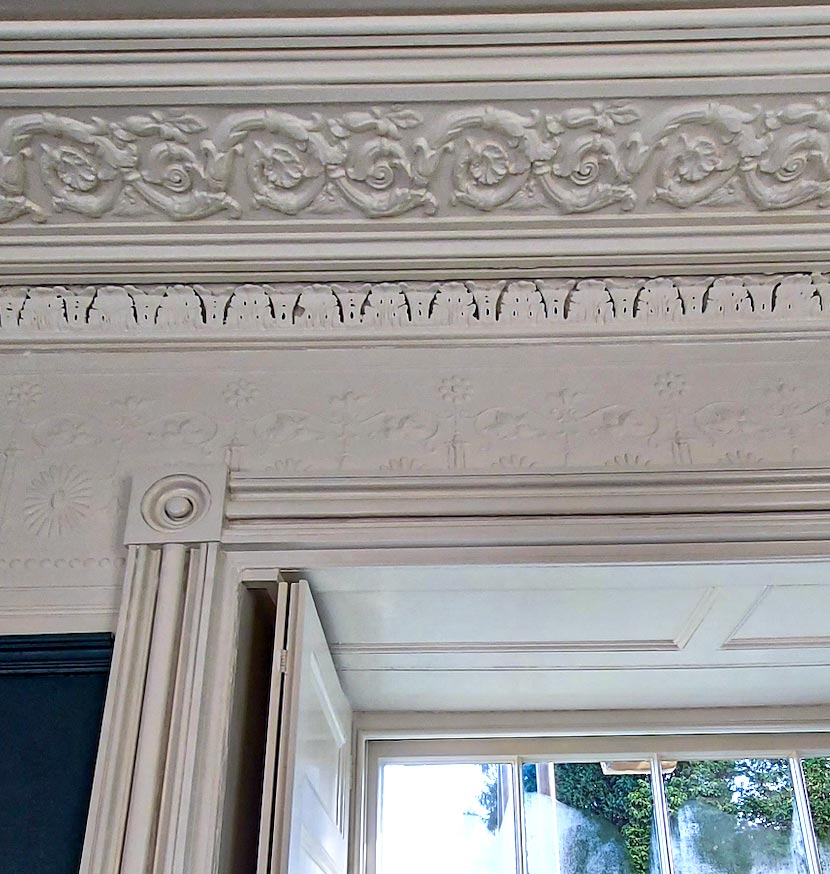
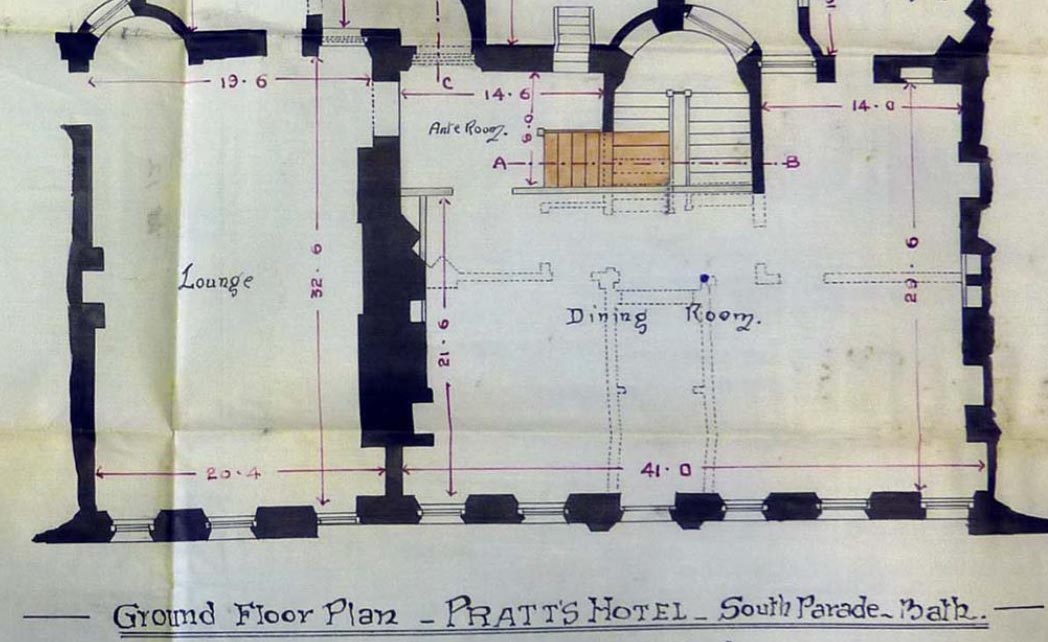
For the Hotel Indigo, Bath, Andrew provided heritage statements and impact assessments for substantial alterations to relocate kitchens and other utilities from the ground floor to the basements. The buildings form part of John Wood’s Parades and are listed at Grade I. Earlier phases of upgrading were covered by multiple complex Heritage Statements by another consultancy. With the agreement of the Conservation Officer, Andrew produced a more accessible summary Statement of Heritage Significance for the entire block of thirteen Georgian houses, and assessed the impact of changes against this. Limited alterations to historic fabric required for new food hoists and kitchen fittings were justified against the public benefit of returning the basements and ground floor to uses more appropriate to their 18th century functions.
Conservation Area Character Appraisals
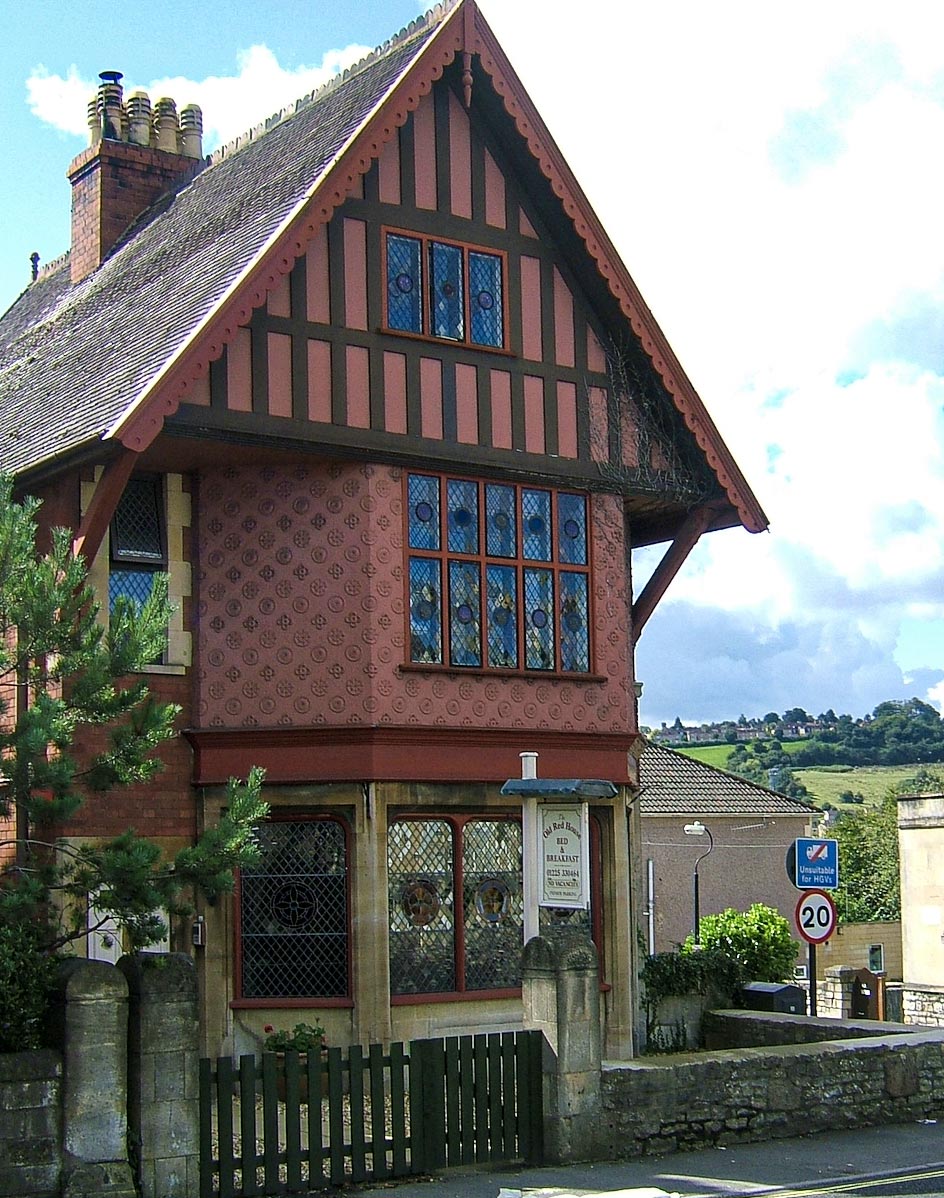
Andrew produced six Character Area Appraisals in collaboration with Donald Insall Associates, covering the inner city and suburbs of Bath. These required local consultation, archival research, publication surveys, walking and photographing the areas. This process identified distinctive local characteristics, materials, patterns of landscape use, landmark buildings and views, as well as negative features and opportunities to improve the built environment.
Historic Building Recording
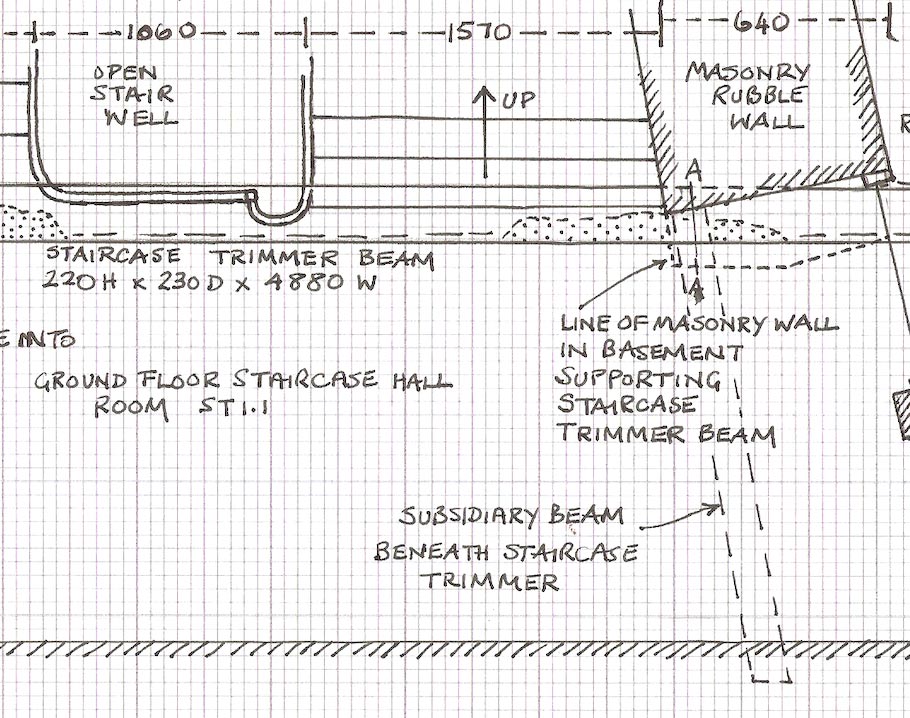
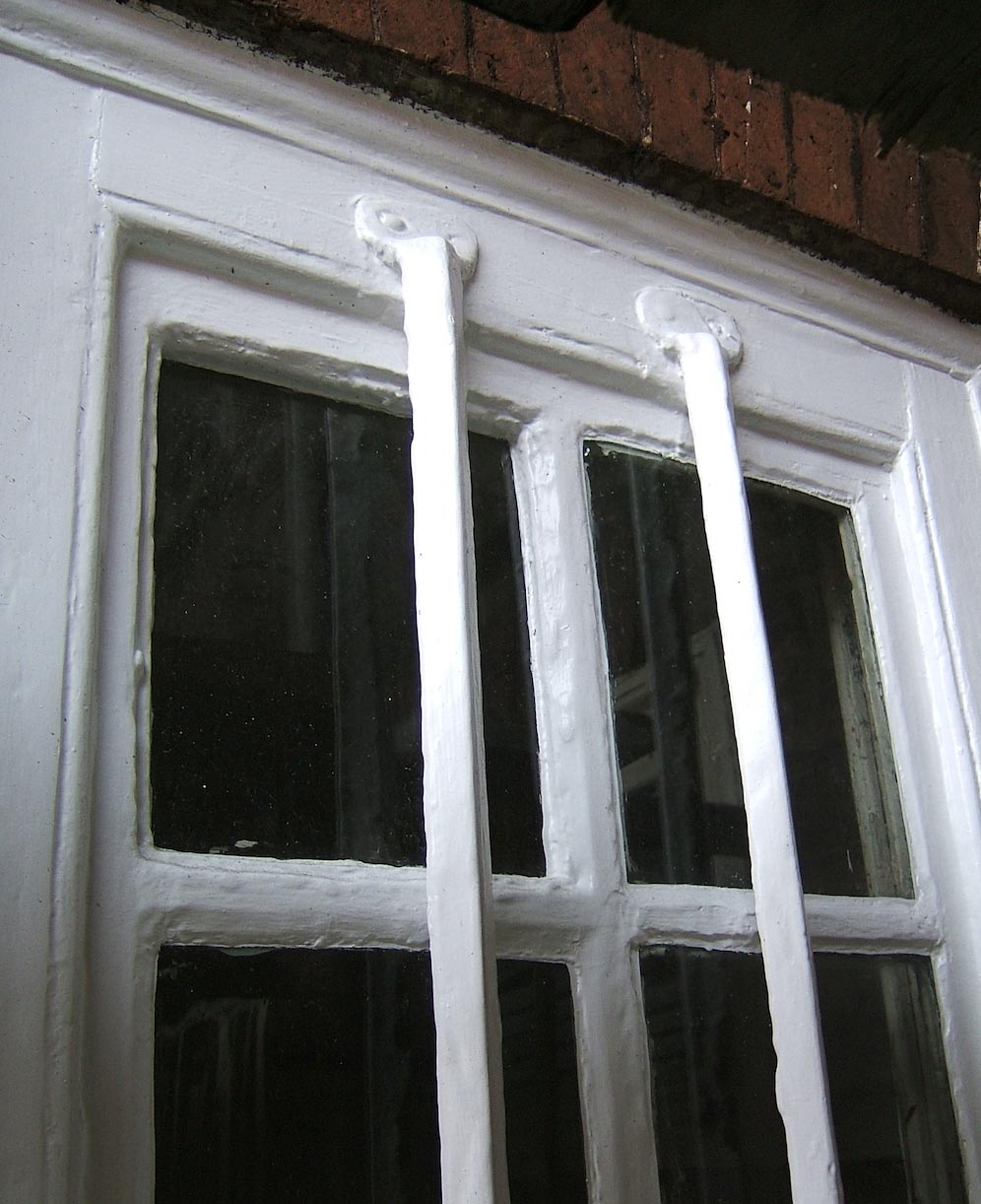
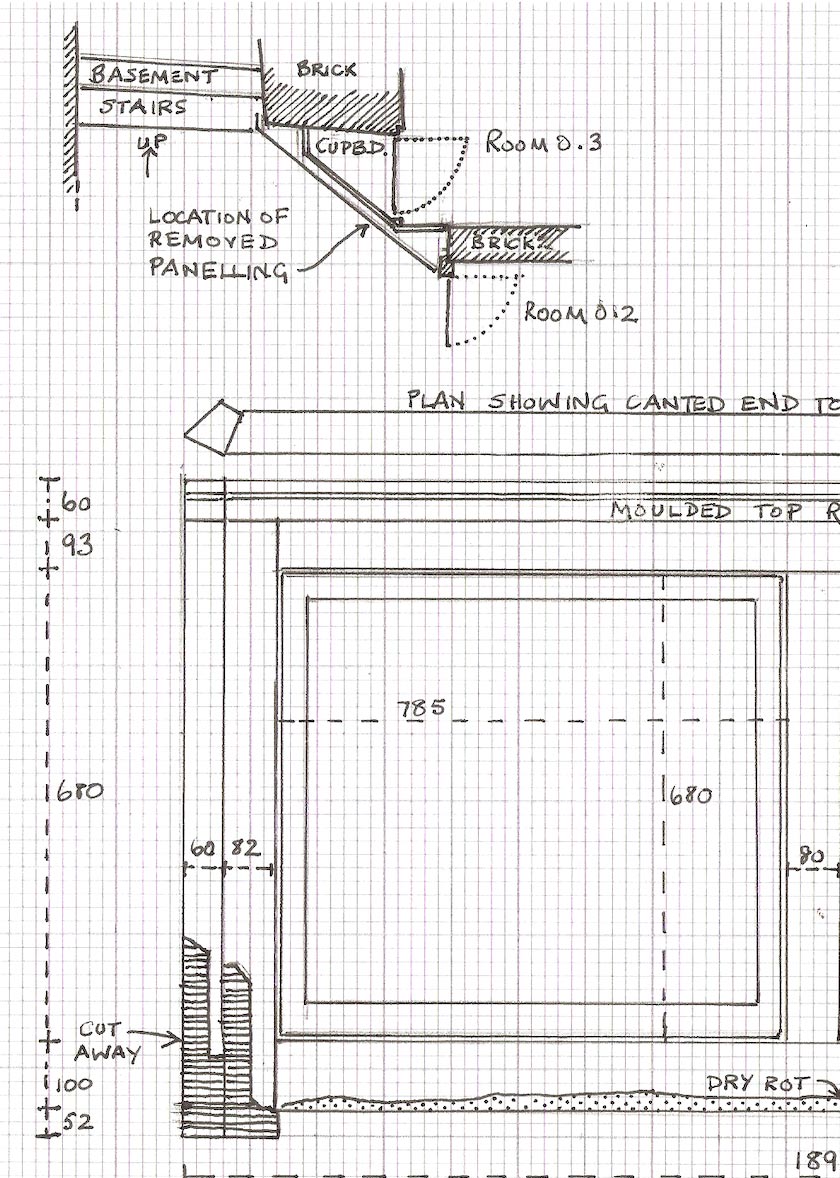
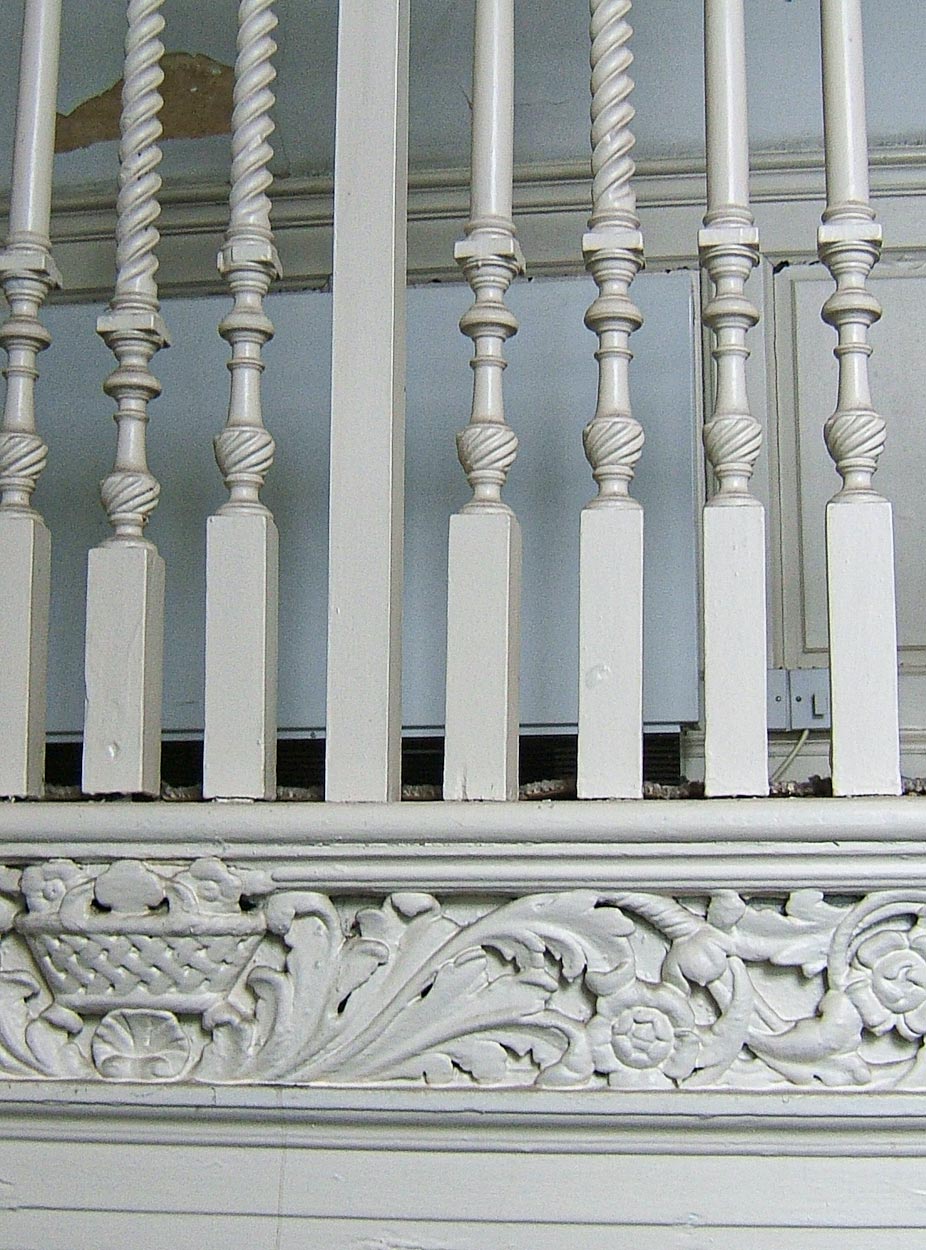
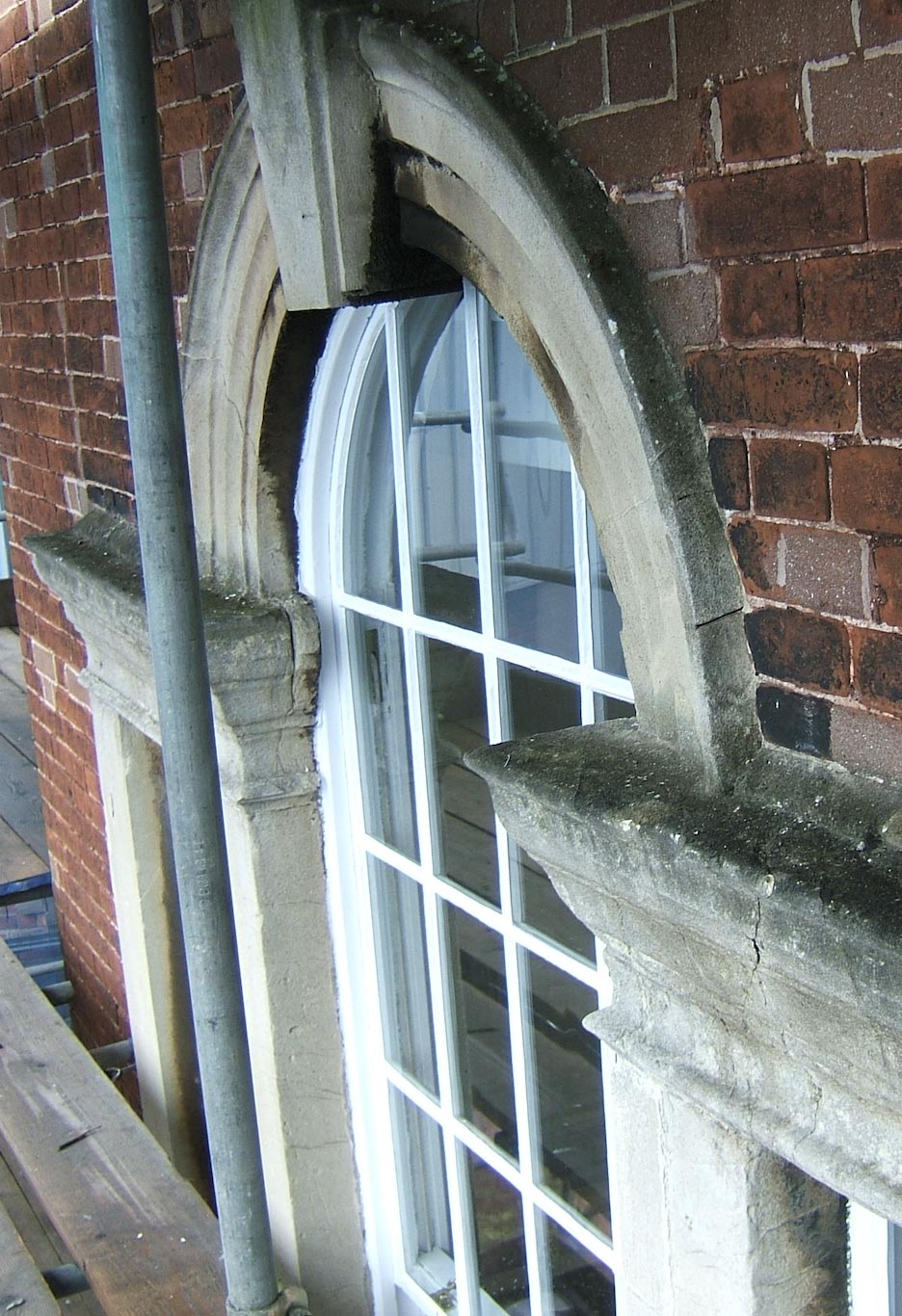
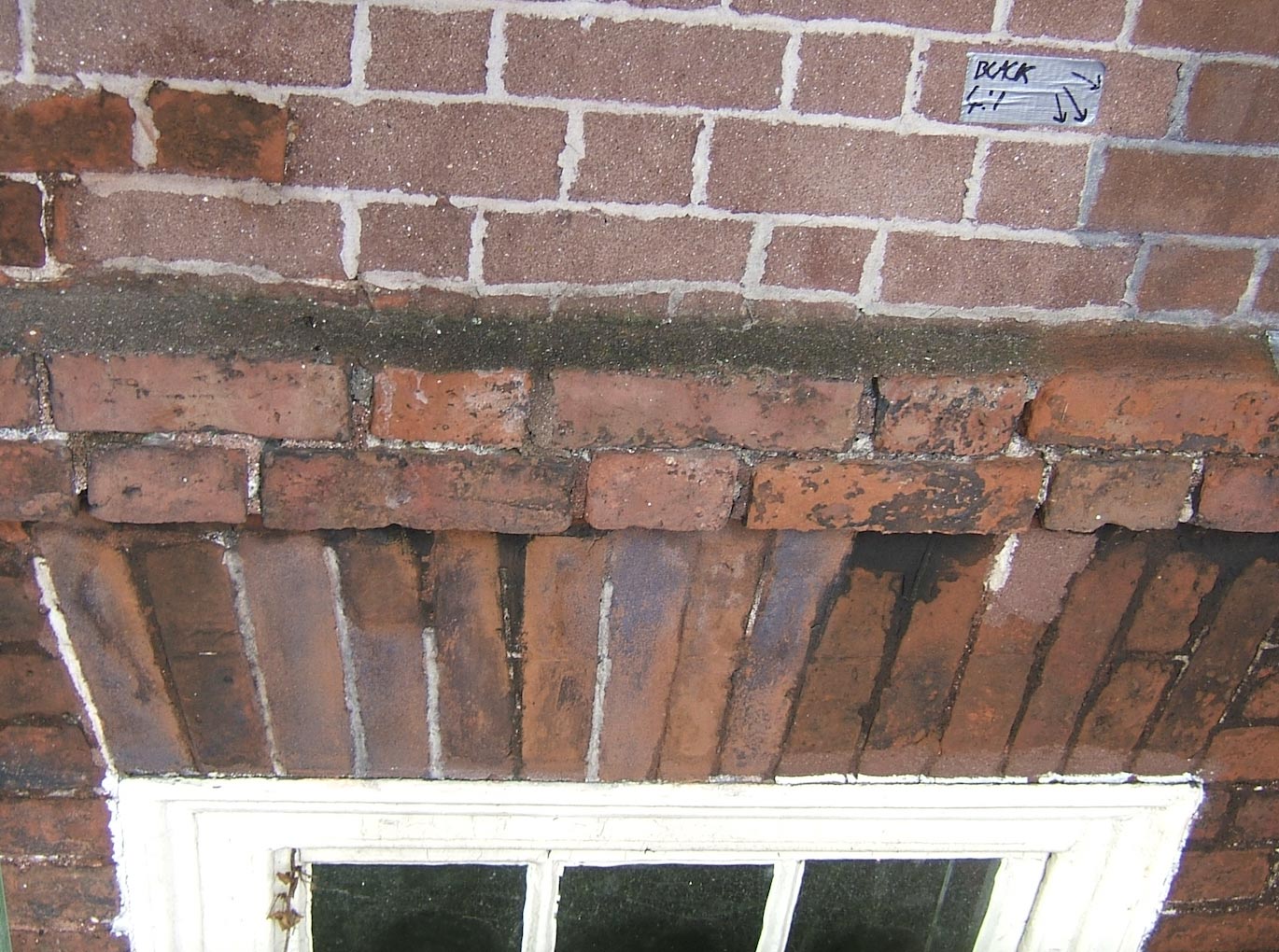
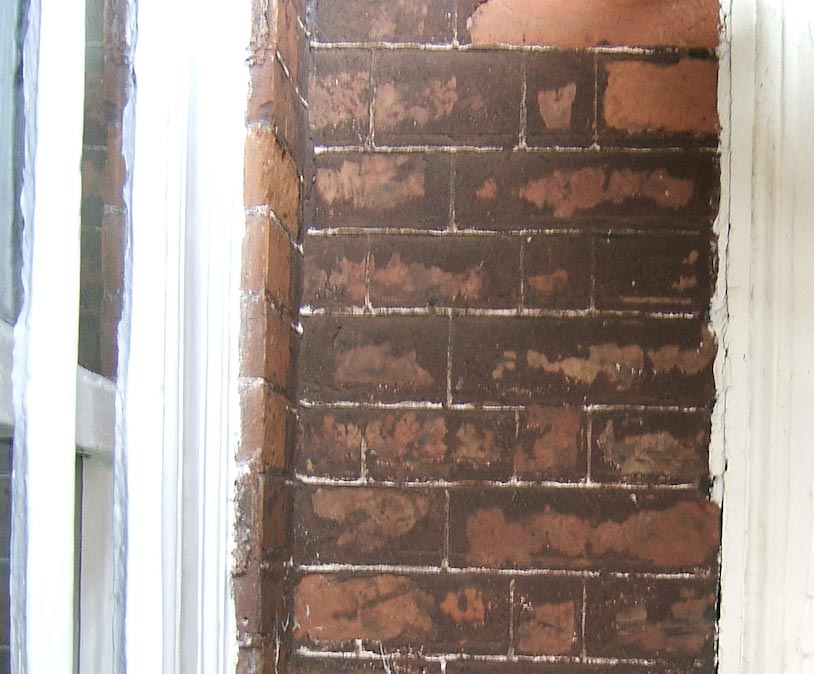
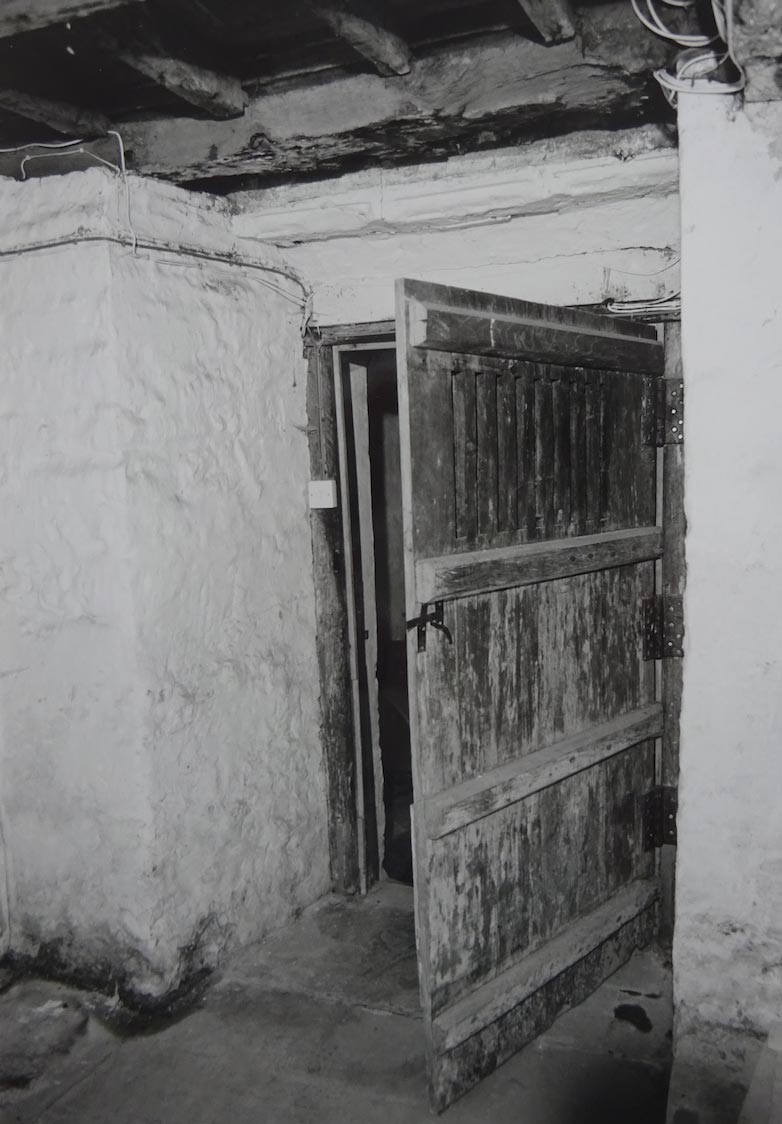
The University of Bristol commissioned Andrew to undertake detailed recording at Lunsford House, in fulfilment of conditions on listed building consent. Brickwork repairs to the early Georgian frontage were documented, and the age of the window frames was assessed, identifying surviving Georgian timber sashes and early crown glass. Internally, measured diagrams were made of 18th century pine panelling and structural beams which were too decayed to retain.
Unauthorised Works Inspections
Where it is suspected that unauthorised works have been made, we undertake historical research and building inspections to establish what changes have occurred and how they have impacted the heritage significance. This facilitates a process of negotiation and discussion with client, architect and planning / conservation bodies to regularise the situation and issue retrospective consents.
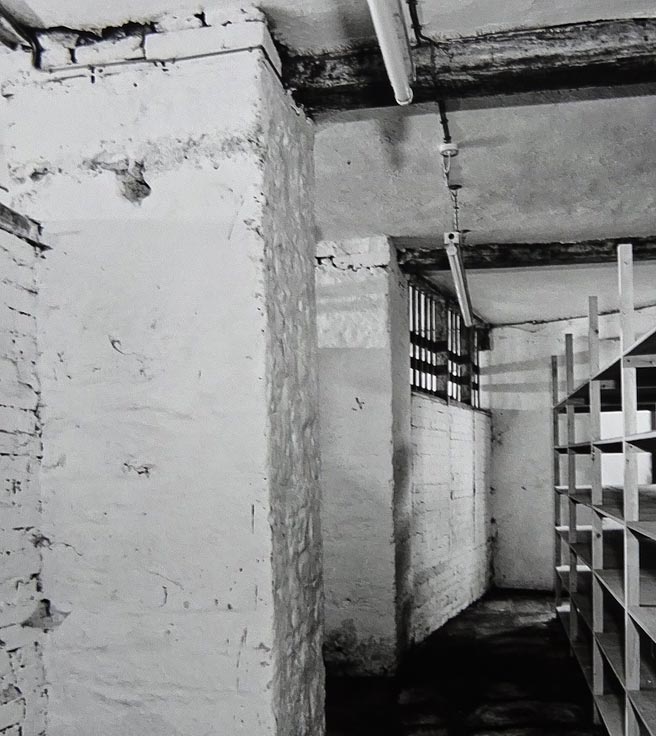
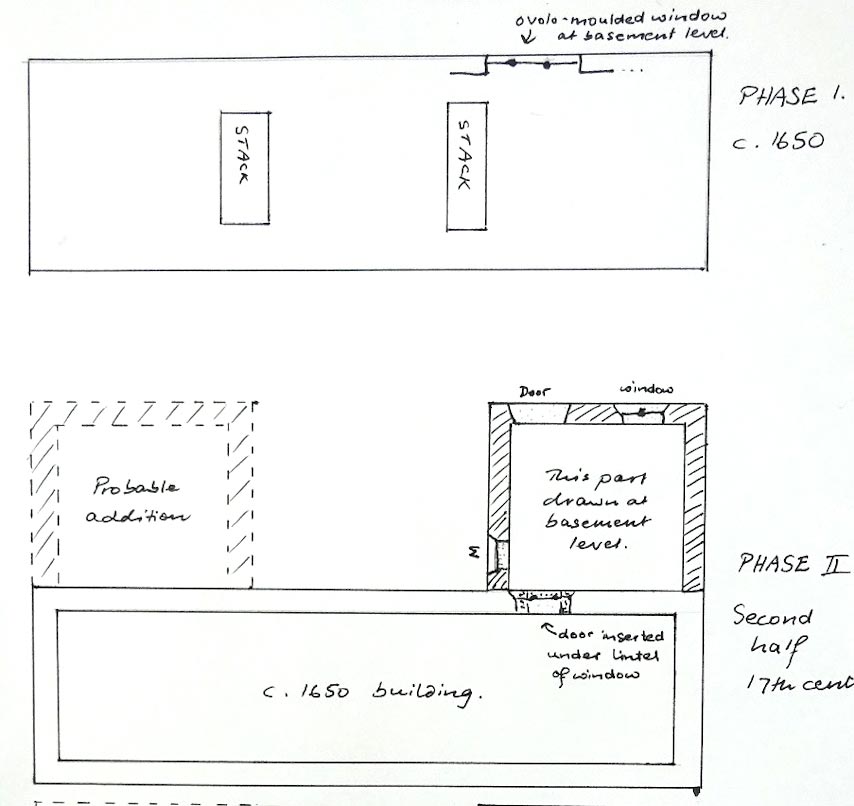
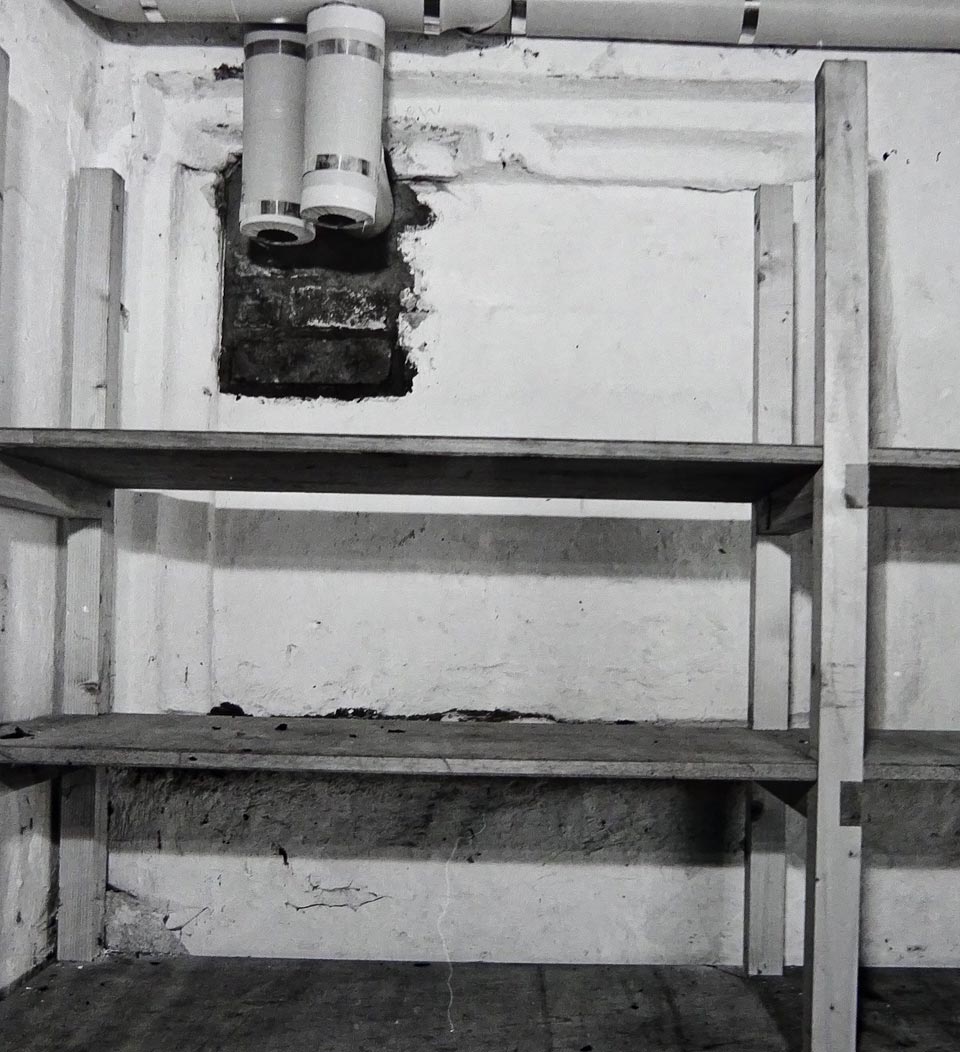
A past project involved decades of unauthorised change to a substantial outwardly Georgian country house. Its 17th century cellars contained evidence of the phased evolution of the structure. These had been unwittingly obscured by recent insertions, but retrospective consent was granted once it was established that the older fabric survived in-situ.